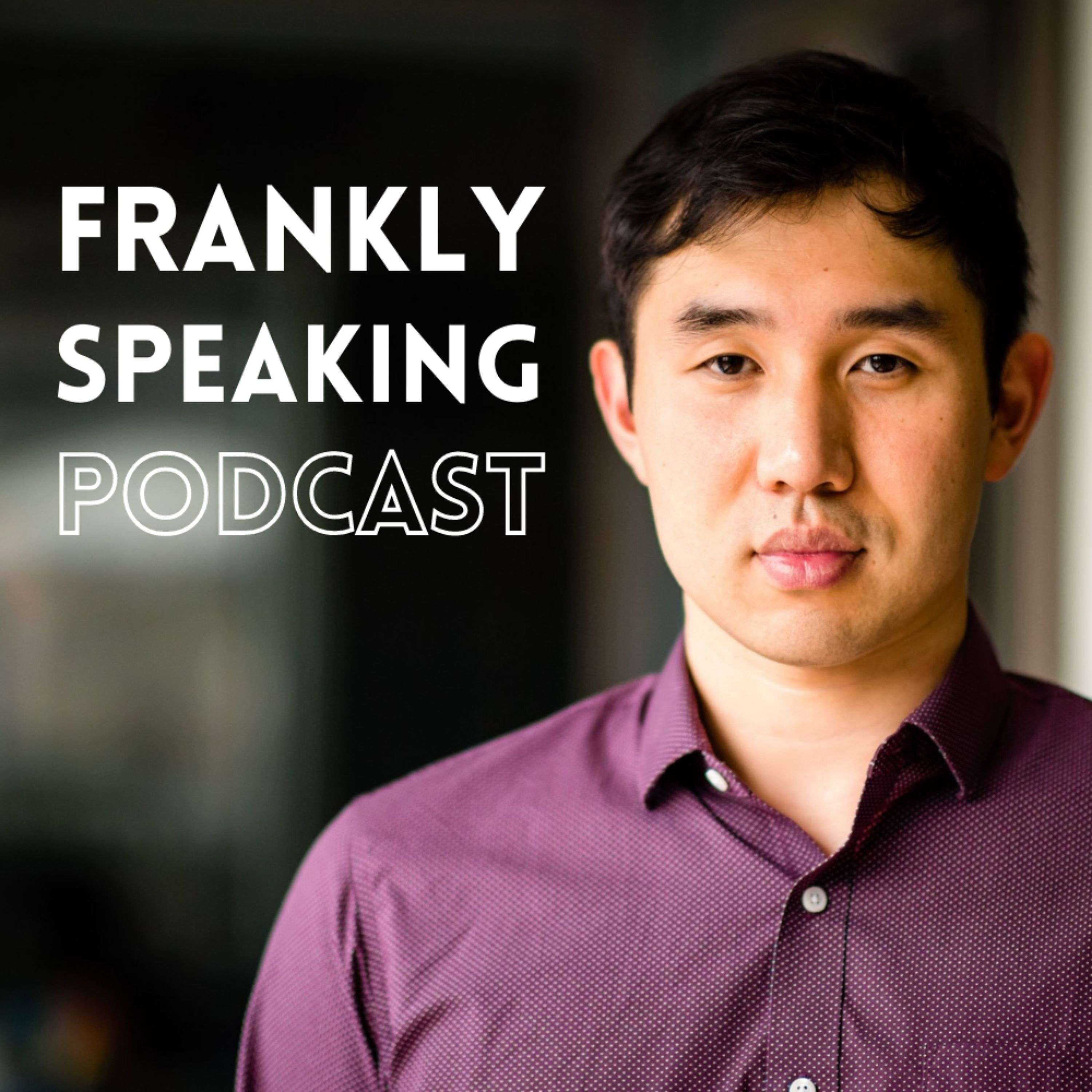
E11: Chef Ken Lee
Welcome to episode eleven of the Frankly Speaking podcast. Frank Niu is joined by Chef Ken Lee.
Chapters
- 0:00 Ken's three Hawaii restaurants and early path
- 3:39 Culinary school, work ethic and competitions
- 12:05 Growing up in Hawaii and Chinese parenting
- 17:03 Six-year career plan and his mom's fish market
- 22:22 Early investing: Blizzard, Amazon, Tesla, GameStop
- 32:30 Opening the restaurant in two weeks
- 39:05 Views on Tesla and Elon Musk
- 44:24 Scaling to multiple restaurants and retaining talent
- 52:03 Why restaurants earn little and where the money goes
- 1:02:18 Cutting servers after COVID and paying staff over 50K
- 1:08:14 Why social media is a poor way to make money
- 1:11:58 TikTok posting strategy and the algorithm
- 1:18:53 TV cooking shows and getting kicked off in London
- 1:26:15 Why Hawaii has no Michelin stars
Mirror automatically copies the trades of top investors, politicians, and creators directly in your brokerage account. Check out choosemirror.com.
Reach out to Frank at frankjniu@gmail.com
► Follow Me On Tiktok: https://www.tiktok.com/@frankniu
► Follow Me On Twitter: https://x.com/niu_xiaofei
► Follow Me On Instagram: https://www.instagram.com/niu_xiaofei/
► Follow Me On Linkedin: https://www.linkedin.com/in/frankniu/
Transcript
0:00 Welcome to the Frankly Speaking Podcast. Today I'm joined by Kenneth, who is a restaurant owner, owns three separate restaurants in Hawaii. He is an aspiring MMA fighter, gonna fight me one day, and blowing up on TikTok recently, does a bunch of chef reacts. And yeah, welcome. Hello. I was really curious to hear more about your background, because like, you're pretty young, right? You're like 28, 29? And then you already own... 29. 29. And already own three restaurants. Like, that's pretty impressive. I thought the whole restaurant industry, you had to like, really work your way up, and like, took a long time.
0:33 Granted, I don't know a whole lot about the space. It's, I mean, that's not false. It is true. But yeah, just curious to hear, like, how you kind of grinded away, and like, made it to where you are so quickly. Oh, it's a very long story. How far back do you want me to start high school? Yeah, sure. Okay. When I was about to graduate high school, I had to decide what I wanted to do. And Chinese parents, they're like, I want you to be a doctor or a lawyer. You know all that stuff already. But basically, I wanted to either go to business or cooking or fighting.
1:16 And they, fighting is like, eh, two to pick from, cooking or business. And then I just, I was like, oh, cooking eventually turns into a business. And I think if you go straight into business, like, if I went into business, I would probably be much richer than I am now. But there's, you'd always feel that, like, that void of being one of those people that just uses other people to get things done. And I guess that's fine. But having, having a specific skill that you can say, like, yeah, you can compare me to this other person, like, like an electrician, you know how to do something.
1:57 It's not just pushing papers around and that type of stuff. So, my first job was at a law office. I was a junior in high school. This was before I was forced to pick and go to college. But, yeah, I had to take two buses to get to work. And then I would work for standard eight hours for, like, $7.25 an hour, I think. I was a bottom-level person. I'd, like, water the plants. I'd make manila folders with the prong thingies. You'd make a whole stack of folders. But one of my jobs, too, was shredding confidential information.
2:39 And they had, like, an infinite amount of it. But everything I did there, I always tried to do it as fast as possible to get it done. But, you know, like those big black trash bags, I would fill it with shredded paper. And then I would squish all the air out, and I'd fill it some more. It's, like, compressed, I would fill up a big black trash bag. And then this one specific day, I did, like, 23 bags. I was so bored that, like, I wasn't, like, crying, like, how you would imagine somebody crying. But I was just so bored that one tear came down the side of my face.
3:13 I was like, I cannot do non-physical work. I can't do paperwork because I need to. So, yeah, that's why I decided to quit. And then the next job I got when I was a senior was my first job was a dishwasher. So it was at a pizza place. I did the dishes, I did salads, and I did the fryer. So I did everything except the actual pizzas. And it was, like, no experience at all. It's, like, what is this thing? It's a sink to, why is there three compartments? And, like, how do you move things from left to right efficiently?
3:53 And then I went to college, Kapiolani Community College, Culinary Institute of the Pacific.
4:02 I started doing that, and I started working. And I did both things at the same time. So most people that go to college, they're, like, richer in a certain way where they just be, like, I'm going to college. I'm going to finish my college, and then I'm going to start working. But then time isn't only this way. It's how many hours in your day do you use? Like, most people just use eight hours or ten hours. But then if you go to school for eight hours, and then you work the other eight hours, and then you go to sleep, in two years, you could accomplish twice as much as somebody who just worked one normal full-time job.
4:42 So I went to school, and I worked most of my college career. It's not just doing the work. It's doing the work with intention of trying to get better. Because you can have somebody who is just, like, a drone and peeling potatoes. But then you compare that person to this other person, like me, who was, like, how do I peel potatoes faster? How do I think about what I'm going to do next to get better at it? Because you hear people say, like, oh, 10,000 hours to get good at something. I think, like, somebody just pulled that number out of their ass.
5:15 Like, let's say doing a rocher. That's the spoon where you make that smooth Quesnel shape, one stroke. If you gave a college student ice cream and you said, give me a rocher, they can stand there for, like, 5,000 hours, and it'll look like crap. I taught myself how to do it in, like, 10 minutes. And it was, like, 90% proficiency, I would say. Like, it's not perfect, but in 10 minutes, because I knew how to move my hands and how to get certain angles and how things work, basically. The longer you do something, you're going to keep getting better.
5:50 But the margin that you get bigger by keeps getting smaller. So, like, if you did sushi for 10 years, you might be 90% proficient. You do 10 more years, you're not going to, you go from 90 to, like, 95. 10 more years, you might go from 95 to, like, 96. And it keeps getting smaller, but you're never actually going to get to 100, because 100 is infinite. I did the associate's degree in culinary arts, and then I was actually there for five years, because I spent two years competing on the competition team.
6:27 So, I was the team captain for both years that I was in competition. In school, there's this thing called the volunteer log sheet. You volunteer, and then you get scholarships for it, basically. There's two ways of getting scholarships. You volunteer for these, like, events and stuff, or working for chefs, and then you get scholarship from that. But then the other way is, there's this, like, outside the counselor's office, there's just, like, that board that you put the pins in. There's just, like, a whole wall of, like, papers that each one is a different competition.
6:58 It's, like, this is a healthy cooking competition sponsored by this. This is a, this competition, that competition. There's so many competitions. So, I, this was when I was brand new, too. But I knew, like, I wanted to push. I wanted to do everything. I want, even though I knew I was going to lose, that's the thing is, it didn't deter me. It was forcing myself to fail and lose so I can learn from it. And every single competition that I could do, I went for it. And it ended up that, in my whole five years in college, I made more money off of scholarships than my entire tuition cost.
7:37 And now I'm coming full circle. I'm actually going to be a teacher at that school. Oh, sick. Since I have, I have whatever free time I want to do. And it's going to pay me crap, but I get to teach people. That's awesome. I guess I had a bunch of questions to kind of follow up. But, like, I guess the first thing is, a bunch of people are super afraid to fail. Like, I think that's actually the one thing that prevents a lot of people from achieving more success. And it's kind of, like, ingrained upon us in school.
8:04 Like, especially as Asian kids. Like, hey, you've got to be perfect. Get all A's. Yeah. And do all the extracurriculars. Like you said before, doctor, lawyer, engineer. You have, like, set career paths you can choose from. I guess what made you so unafraid of failure and, like, so also pragmatic? Because I think that most kids at that age, and, like, me too, like, I wasn't thinking about career or anything during college. I was just thinking, like, how can I slack off the most, pass my classes, get a good enough resume, and, like, play as much video games as possible.
8:33 And just, like, effectively, like, waste my time doing normal kid things. But it sounded like you were already pretty mature at that age. You had a bunch of goals. You worked towards them. And you even did it without needing to. Like, you said you could have gone to college and just done that without working. So, I guess, like, what kind of drove you to do those things? And, like, were there any events in your life? Or is it just more kind of, like, an inheritance, like, I want to be the best I can and be really effective, even at that young age?
9:01 So, first off, I was none of that stuff that you just described. I was, sounds like I was exactly like you. I wanted to play games all day.
9:13 Yeah, I can tell you my whole game history. Like, every MMO I played, I played MapleStory for years. I played Diablo 2. And then that's where, like, investing, that's how the investing story got started with Diablo 2. But, like, I played games a lot. And I actually think playing games taught me my personality that I have now. I learned min-maxing from games. Like, if you play 15 hours and that guy plays 10 hours, you got five more hours of killing slimes and leveling up faster. I wasn't trying to learn these things because I was playing the game and I wanted to be better than everyone.
9:57 I think being better than everything, everyone else, was the core of it. Learning how to be better than everyone by playing the games. It was play more hours, be more efficient, kill in a more efficient way, quest in a more efficient way, make money faster, learn how to control the entire economy through the auction house. Probably one of the first games I played when I was really young was, like, Neopets and MapleStory. MapleStory is, like, the prime example I'm going to use because I played that for so long and throughout my entire life.
10:30 I don't play now, but as I aged, I got better at playing games and all that. And then you got more efficient at leveling and you know, like, where to put your points and all that stuff. But from that point on, as I got older, I got better at what I was talking about, like, making money. So, from when I was, like, I would say 16, when I was 16 years old and later, almost every single game, I would, there was this certain chronological order on how I would do things. First thing is, play the game until I'm max level.
11:04 And then, you know, when you get to max level, that's when, like, the real end game happens when you farm things for hundreds of hours and all that. But a new game would release, I would download it on the first day. If I wasn't in on the first, like, week, I would feel like, oh, these guys got a one-week advantage over me. I don't want to play. So, I was always first one in, and then I would always play as much as I can, get as far as I can, as fast as I can, to gain an advantage. Because first mover advantage, you get exponential, you get free farm on everything, when in 10 days, everyone's going to be fighting over each spawn of a mob.
11:43 There's so many games that I just got so rich, I could buy out an entire item section, or I could buy out everything. And then I would just post my one thing at, like, increased price. And if somebody posted something under me, I'd just buy it, because I knew I had so much money that I could just keep doing it. And then I'd just become too rich and quit. So, put it in gaming perspective. You have, like, index, all that stuff, right? I put all my skill points as a human into one thing. So, I was really smart at that stuff, but I had no social skills at all.
12:21 Like, I wasn't well-spoken at all. I was super shy. Like, most from kindergarten up to high school, I got bullied to some degree. And I always got into fights because of it. And it would be, like, bigger kids that I have no chance with, or multiple kids. And just, like, yeah. Because even though Hawaii is the most Asian state in the U.S., the school I went to was not Asian. Oh, no. Well, because it was one of the, like, more poor areas of the state. So, it was a lot of, like, Micronesians and, like, Hawaii and, like, Filipino people.
13:01 And, yeah. I think in my whole, from kindergarten to high school, I was probably one of, I was one of, one of one or one of three, like, between that range of Chinese people. And it didn't help that everyone, including myself, thought I was, my family was poor. So, do you know what a flea market is? Yeah. I also grew up poor, man. So, I know. I can empathize. I don't know if those exist in other places, but we'd go to the T-shirt stand where it's just, like, super colorful T-shirts and there's a sign. It's, like, $5 for $10.
13:45 And there's, like, there's, like, a dolphin on it or there's a lei. Just, like, super basic shirts with, like, a print on it. So, that was the clothes that I ended up wearing. I'd always wear shorts to school. And I remember, I remember so clearly for my, you know, your sixth grade dance. You're supposed to wear nice clothes. Nice clothes for me was wearing jeans. And it was kind of fucked up what my teacher said, right, when I showed up. Because, like, I never wear jeans. I always wear shorts. And, like, I showed up in jeans.
14:20 And then she was, like, she was basically talking crap about what I was wearing. And I was, like, is that what your parents made you wear to the school dance? I was, like, but, but, yeah. Anyways, it turns out my family's not poor. They're just Chinese.
14:42 That's absolutely hilarious. So, I grew up in Iowa. It's basically all white people. Like, very similar. Like, one of one or, like, one of three. I mean, I never knew anything about our finances. I just knew that, like, we never got much stuff. My parents bought me, like, Game Boys and stuff. But, like, you know how, like, in high school, you're supposed to go out with your friends to the mall or something. Or, like, do extra stuff with your friends and all that stuff. I never did that with anybody. I don't know if you know what a plate lunch is.
15:15 Scoop of rice, mac salad, and a protein. Just, like, $8 or something. I've spent, like, $20 on plate lunches with hanging out with people in my entire high school career. Like, I didn't get an allowance. It was, like, you know, Chinese New Year's. You get the red envelope. You get all this money and stuff. And then you receive it. And then you just give it to your mom. Yeah. Because mom's going to put it away for you. Like, when you want to buy something, then it's, like, oh, no, no, no, no. This is for saving.
15:48 And it's just, like, what? What's the point of people giving me money if I can't spend it? Yeah, dude. It's, like. Then for Christmas, you would get, like, a quota. You can spend $20 this year. Buy whatever you want. Right. Buy this one thing for Christmas. I was a bit lucky. It was, like, one thing for Christmas, one thing for your birthday. Yeah. But, like, I played a bunch of card games. So, like, Yu-Gi-Oh!, Pokemon, Magic the Gathering. And the local game shop, they would actually give out prize money for winning.
16:16 So, that was how I actually had money. Like, I didn't get a part-time job or anything. Yeah. My parents actually had, like, a negative allowance. So, if I got, like, a B on my report card, they would take money from me. But, like, I don't even have, right? Oh, yeah, yeah. I remember report cards. Getting an A was $20. Getting a B was $10. And getting a D was $5 or something. No, no, no. You have money for getting a D? No, no. I would get, like, B for getting a D. Yeah. No, that's not right. It's A, A minus, B plus.
16:50 And then you don't get anything below that. So, $5, $10, $15, A, A minus, B plus, $0, $0, $0, below that. Yeah, that makes more sense. Yeah. I was like, dude, like, what kind of Asian parents giving money out for Ds? It's really cool how, like, Hawaii, it seems like the community is super tight-knit. Nothing at all like corporate America, where it's just kind of, like, your connections don't really matter until you're much older. Or if you're already, like, wealthy and connected, then you have, like, friends, families, or parents that can help you out.
17:20 So, I guess it's still kind of unclear to me, like, how do you go from working at restaurants to eventually, like, becoming an executive chef and opening your own restaurants? Like, that entire process, if you can kind of go into it. The reason I just told you about me getting bullied in high school and stuff is because there was a transition from high school to college that when you go to college, it was like you get to restart brand new. All of these people that I went to college with are adults, and none of them had a preconceived notion of what my personality was supposed to be.
17:52 And because I was so awkward when I was young, like, I couldn't make eye contact and all that, I could all of a sudden just try to be somebody else, be somebody better. When I was 18, I was making a goal for when I was 24 already. It was like, okay, I need to become this person. I need to be good at talking to people. I need to get in shape. I need to do all this stuff. I need to get good at my career. And, yeah, I had a goal that was, like, a six-year plan of, okay, by the time I'm 24, I want to be a sous chef.
18:24 And when I'm 28, 29, I want to be a head chef. When I'm 34, because this is, like, the normal path. You open your restaurant, and then you just run your one restaurant until you die. And that's it. That's the normal path. My mom, like, from when I was born up until maybe when I was, probably when I finished high school, the only jobs that she's held were, like, minimum wage jobs. Like, she would sell clothes at home for, and then, like, get paid a dollar for each piece that she finished. Or she was a bank teller for, she was a bank teller for, like, five, five-plus years, making minimum wage, like, $10, $12 an hour.
19:10 But then this opportunity came up that, in Chinatown, she could start a fish market with this business partner. The strongest part of her personality is that she was personable. So, the other partner was better at, like, cutting, they knew how to butcher things, they knew how to sell things. And he was a very, he was a salesman, and she was a personality. So, they partnered, and they opened a fish market in Chinatown about 10 years now, 10 years ago. And then, that's when they started making real money, not minimum wage money.
19:49 This was about when I was 21 or 22. They made, they finally saved up enough money, and then the business partner wanted to open a Thai restaurant. And then, I was already in school and working, so I was in the industry. So, I ate his food, and I was like, you don't know how to cook Thai food. Don't open a restaurant. Like, stick with your fish market. You can do that, it's fine, but don't try to open a real business. Not that a fish market's not a real business, but it's like Chinatown, where, like, you know, a restaurant is, like, you need to advertise, you have to make good food, you have to do customer service.
20:34 There's so many aspects of a restaurant that's more American, where you have to be professional, because your customers aren't other Chinese people. They're random people. So, but both of them being stubborn, it's like, ah, we can do it. We, look how successful our first business is. Okay, fine, go. And then, they opened the Thai restaurant. So, they would wake up at, like, 3 or 4 in the morning, do the whole fish market until about 2 or 3 o'clock. And then, right after that, go to the restaurant and then run that until 10 p.m. or 11 p.m.
21:09 So, they're working, like, 18-hour days. And then, some days, they're just, like, so tired where, well, the business partner, he never got tired. It was my mom who got tired. She would just say, like, I'm too tired. We just closed the restaurant. They wouldn't, like, put up a sign, like, we're closed today or anything. It would just, it would just be, like, the customers are outside, like, why is it dark in there? There's only open, and it's just, like, yeah, that's not how you run a restaurant. But, they ran that for a year.
21:39 It's just bleeding money because all the money they lost from the restaurant was equal to the amount of money they gained from the fish market. So, they're breaking even, but they're working 20 hours to break even. So, not a good deal at all. But, I was basically working at what was considered the best restaurant in Hawaii at that moment. So, I told my mom, hey, I'm going to quit my job. I'm going to take over the restaurant. I'm going to sell all of my stocks, and I'm going to buy the restaurant from you.
22:10 I'm confident enough that I can, I'm going to YOLO all of my money that I've saved and invested in the past, like, 10 plus years. So, I started investing when I was, like, 13 or so. And, that's because, like I was saying earlier, you can't touch the money that you have saved unless it's to make more money. So, I told my mom, like, hey, I want to invest in Blizzard Activision because I played Diablo 2 and then Diablo 3 was coming out. So, I was like, this game is going to be really good. And, I didn't, I didn't know what a PE ratio was, a market cap thing.
22:52 It was just, this is a good game, Diablo 3. I believe that it will do well. That's my whole investing theory on that. And, she was like, okay. And, then, like, I put it in. It was less than $10,000. But, I bought in at, like, $13 a share. And, then, Hearthstone came out. And, I didn't, I didn't even know what Hearthstone was. And, this Hearthstone caused the stock price to go from $13 to $26. And, then, when Diablo 3 came out, it went to, like, $35 or something. But, when I was young, I did all this, like, oh, learn.
23:31 Because, if you don't know something, you just listen to what people say. So, I was like, see what Warren Buffett has to say. I didn't know who he was. But, you just, like, Google, like, how to invest and stuff like that. And, you just learn all this stuff from all these different people. And, then, you develop your own investing theory. Like, in the beginning, I didn't know anything. So, I was like, oh, diversify. Because, that's, I don't know why, but diversify. And, then, I put a little bit of money into a bunch of different stocks and stuff.
24:01 And, I only had one stock that I lost money on. And, it was Pandora. And, then, I started thinking, like, okay, S&P 500, top 500. Now, what if you could reduce it to S&P 499? Like, you just take out the bottom one that you don't think is good. And, just do, you keep doing that. And, so, it's like, okay, what's your top 10 picks? And, then, it distilled it down to, well, what's your top one pick? And, then, that's when I became, like, a one stock pony. And, then, so, I don't remember how old I was. But, Amazon, like, I didn't know anything about the business.
24:45 It was just, like, I can order stuff on a website. And, then, it shows up at your door. You don't need to go outside. And, this stuff just shows up. And, there's just massive catalog. And, it's cheaper. And, like, you don't need to walk through a store and all that. So, I was, like, this is amazing. All in. So, I sold everything. And, then, I went all in on Amazon at $300 a share. And, then, like, it was, I was so, like, mind blown. Because, like, I've never heard of it before. But, I was, like, oh, I heard of it now.
25:19 It was, like, mind blown. All in. And, I started telling everyone, like, Amazon is great. And, all that stuff. And, then, even though I was making minimum wage, I could still consistently put money in the market. All this money and scholarships I made from college, I just dumped it into investing. And, I bought it $300, $500, $600, $800. I kept buying it whenever I had money. Just, dump, dump, dump. And, then, my mom was, like, no, what are you doing? You're buying it at the all-time high. You're so dumb. And, then, I was, like, I'm always going to buy it at the all-time high.
25:55 Because, it's going to keep going up. Yeah. 2020, June. That's when I discovered Tesla. And, I was, like, hmm, this, this makes sense. Forget Amazon. All in on Tesla. So, I sold at about $3,000 a share on Amazon. And, I just went all in on Tesla at, I think it was $300 a share at that time. So, this is the equivalent of $300 a share went up to $3,000. I also discovered options in 2020. I actually bought GameStop at $12 a share. I bought $25 strike call options. Nice. For one year out. Wow. Put it at $12. That's insane.
26:47 Put 5% of my total account in there. I did the math. If I went all in of when I did that 5%, and then I sold at the very peak. This video was sponsored by Moomoo. Moomoo provides advanced charting tools, analysis, and smart indicators for you to identify stock price trends easily and faster. With the real-time quotes updated every 0.3 seconds, and the free level 2 data with 60 rows of quotes on Moomoo, you can get detailed price action. Plus, the free 24-7 market news from over 200 reliable resources, such as Bloomberg and CNBC, you won't miss market catalysts.
27:22 Up to 20 free stocks, plus a chance to win in their 60,000 holiday magic sweepstakes by opening an account and depositing some money. Use my link to sign up today. I did the math. If I went all in of when I did that 5%, and then I sold at the very peak, I would be over 100 million right now. Yeah, you can't do the math on these things. It just, like, it messes with your head, like, ever perfectly yellow. I remember, because the stock market opens really early in the morning here, I remember, like, for two weeks straight, every morning, I was like, ah!
27:55 I was just, like, yelling at my mom, look! But, yeah, it went up, and it went all the way down to, like, $40 a share. I still didn't sell it. I held it from 12, I rolled it up to 800, it went all the way down to 40, and I was still holding it. Well, it went back up to 225, that's when I sold it. That's still really, really good. Yeah. So, I turned that 5% of my account into 50% of my account. Yeah, it's like, I think a lot of people, like, the default advice is S&P 500, because, like, no one knows what they're doing at all.
28:30 If you're looking to, like, the investing philosophy of, like, Charlie Munger and Buffett, it's like, they actually go heavily into the stocks that they really believe in. Like, they went heavily into Coca-Cola, went heavily into, like, Amex. And their advice that Warren Buffett made during one of his graduation speeches was like, hey, you know, you guys would all do a lot better if I gave you a punch card. And this punch card is all the trades you can make in your entire life. Like, you would think a lot more about what you invest in.
28:56 And then also the investing advice of, like, you know, buying what you use. And it's funny with, like, the GameStop thing, because, like, I had lots of friends also buying into GameStop. And also riding all the way up, all the way down. And then all the, like, exchange shenanigans, except most of them just, like, you know, panic sold when it's dropping. I wish I panic sold when it was at 500. Yeah, I mean, it's, I think a lot of these financial shenanigans. And, like, your story is actually very similar to a friend of mine who, she always loved Netflix.
29:31 Like, she worked in, she was really closely connected with, like, entertainment industry and worked for, like, HBO, super into movies and stuff. And she just put all of her money into Netflix ever since, like, for forever. All of her working money. Yeah, Netflix was one of my, back in the diversity days, that was one of my picks. Nice, nice. Yeah, and, you know, Netflix blew up. Like, all these tech stocks blew up. And, like, you could have picked a lot of stocks that performed really, really well. Like, Shopify went up, like, 300x or something.
30:00 Like, a lot of these tech companies over the past 15-ish years has been, like, almost nonstop up. And nowadays, a lot of people are, like, no one knows what's going on anymore. But I think as far as, like, the GameStop saga and then even, like, crypto was huge and obviously it's dead now. But, like, NFTs, there's so many stories, even of, like, really young people. Like, I get messages from people who are, like, hey, Frank, I'm, like, 18. I have, like, a couple million dollars. I made this from NFTs. Like, what do I do with this?
30:31 Like, and people whose lives are just, like, drastically changed. And I think the way that people are able to find out how to trade and, like, the information's out there for free. You can find it so easily. And you can also trade so easily now. Like, I remember the first time I tried to trade options on Fidelity that so many, like, guardrails. They're, like, hey, do you have this experience? We're going to verify your income. We're going to do XYZ. Do all this stuff. And we're still not going to give it to you.
30:57 And now it's, like, download a random app. Boom. We'll give you level four options. You want to sell a naked put? Go ahead. Like, do whatever you want. We'll give you 20 times leverage. Yeah. Infinite leverage glitch. Like, I don't know if you saw that stuff happening. People, like, found. Yeah. I think in terms of people making and losing fortunes these days, and especially, like, younger kids in college, it's, like, a completely different ballgame than 15, 20 years ago. Yeah. That's the thing is you can do millions of hours of research to invest in one stock.
31:32 Or you can just close your eyes and throw a dart and end up investing in that same stock. Like, it doesn't matter what effort and knowledge went into it. The only thing that matters is what you bought it and you sold it at. If you both bought it at 10 and you both sold it at 20, you both doubled your money. This person studied and invested for 50 years. And this person's an eight-year-old who was, like, I like this ticker. Made the same amount of money. Yeah. It's hilarious because it's, like, knowledge almost hurts you in a lot of these cases because, like, Doge was, like, a meme coin.
32:08 This dude made it in, like, four hours. And he sold all of his Doge, like, the original founder, for, like, a used Honda or something. Made, like, 20K. And everyone's, like, oh, you know, it has unlimited supply cap. This thing's worthless. Like, it's a meme. And then Elon started pumping it and people who had, like, tens of millions of Doge because it was, like, fractions of a thousandth of a penny. And then it almost went up. They're rich. Yeah. Like, this thing's rich happened. I put my notice in, three months pass, and then time to take over the restaurant.
32:39 Once I took all that stuff, I didn't have any money left. I had $10,000. So, that was, so, from the day that I got the key, I also asked one person from that restaurant to come with me. So, it was me and this girl named Elena. We were the entire kitchen staff. And then we couldn't leave at the same time. So, she put her notice in for one week after my notice. So, for one week, I was just in the restaurant literally by myself cleaning the kitchen because before it was my mom's restaurant, it was a Chinese restaurant for 30-something years.
33:14 So, I was just, like, scooping grease. And then, while cleaning, I would, like, set up vendors. And I hired people to put our new sign up. But, like, the whole restaurant, it still looked like an old Chinese restaurant. Like, the red chairs, the plexiglass on the tables. It looked, if you look on Yelp, scroll down far enough, it looks like an old Chinese restaurant. And then Elena shows up one week later. And then she says, okay, Kenny, what do you want me to do? What's the menu? And I say, I give her this piece of paper.
33:49 It's just chicken scratch on it. It's just, like, the title of the dish. And then that's it. And I was, like, they're in my head. Just do what I say. So, I ordered enough ingredients to do everything. And then we cooked the whole menu based on what was in my head one time. And then we taste each dish. And then I just say, like, okay, this needs more seasoning. Change this. Get rid of this whole dish. It's crap. From that point on, it was just start prepping. We're going to start prepping to open for service at the end of this week.
34:22 So, two weeks from when I got the key, we're going to open the doors. I didn't know anything. I didn't have Instagram. I didn't have any connections. I didn't even know how to get customers in the door. But word got out that I left that previous restaurant, which is considered the best restaurant. And then, like, the story behind it, I'm assuming, was compelling. Like, oh, this guy quit his job at this high-end restaurant to take over his mom's failing restaurant. And he opened it in two weeks. That's why it looks like crap.
34:55 It looks like a pop-up still. You have to start somewhere. If you're never happy with your food, then you're never going to serve anyone. And then you're just, like, caught in this spiral of not doing anything. Like, I'm scared, like you were saying earlier. So, yeah, first day, we did 26 covers. Can you explain what covers are? One person. Oh, okay. One customer. Gotcha. So, me and Elena in the back. And then my mom and the business partner were my servers. And their English isn't, they're kind of fob. Yeah. So, when they serve my customers, they're like, oh, here's the menu.
35:33 And they just walk away. They come back. You ready to order? Yep, yep, yep. And then that's the thing. There was no systems. There wasn't, like, this is how you write a ticket. This is how you greet the guests. This is how you host. This is how you, there was no reservation system. Every time something happened, I just, on the spot, had to fix it. Like, okay, this is table 11, 12, 13, 14. And then that one is 21, 22, 23, 24. Or, like, tickets. Like, they would have their own way of writing tickets. And it wouldn't make sense.
36:04 It's like, why is the entree at the top? And why is the appetizer in the bottom? Like, we have to write table numbers on the ticket. Or else people don't know where to take the food. And just, like, every single aspect of a business, a restaurant, I had to basically wing it on the spot. Like, there's millions of things that can go wrong. And when they did, it was like, okay, I have to decide in three seconds, how do I fix it? How do I prevent it from happening in the future? And how do I make it right for the customer who had to deal with whatever it was?
36:36 Quite simply, every day, we only did one thing. Try to make less mistakes than the day before. Don't try to be really good. Just try to be less bad. So, first day, we did 20, 24, 26 covers. Second day, we did 50-something. And then third day, we did, like, 70-something. It was crazy. You're doing 70 covers as a brand-new restaurant. Nobody knows what's going on. Like, imagine 70 people coming to eat within a four-hour time span. And, like, I didn't know you could say no to people. Like, no, we're too busy. It was just like, oh, somebody came in.
37:17 There's an open seat. They're seating. They're sitting. What? 20 people came in all at one time? Sit them. Give me 10 tickets all at one time. It didn't make any sense. Every three months, I would rip out half of the menu, the bad half of the menu. And then I would replace it with new dishes. Over time, it got to a point where there wasn't any weak dishes anymore. It's just like, everything's a good dish now. And then that's when we didn't have to rip out half the menu anymore. Like, as you know, over time, restaurants get better or worse.
37:51 But in our case, since we're so bad to begin with, yeah, when we first opened, we averaged three and a half stars on Yelp. Went to four, and we went to four and a half. It was hard because our prices were really low in the beginning. Like, per person, like $20 a person to have me, the fancy chef from this high-end restaurant, $20 back then. And today, we're sitting at an average of $150 per person. Like, $20 to $150. Like, no restaurant does that. I mean, that's a great story. Like, especially you mentioned, even the beginning of it was really strong.
38:32 Like, strong enough that, had you known about social media back then, like, you make a TikTok story or, like, post an IG. Like, I could see people in the news publications picking that up, maybe. And then also, like, learning trial by fire and you, like, steadily improving everything. I think a lot of your story really parallels just, like, not just starting a software business, but any sort of business. It's, like, people, they don't launch quick enough. They don't iterate fast enough. And then you were, like, forced to iterate in real time.
38:59 Like, having a couple seconds to decide, fixing it, and then you saying, like, how it started off terrible and got better. Like, that's pretty much how all, most businesses go. The vast majority of businesses. Everyone's, like, trying to be a perfectionist, trying to make everything perfect before launch. Not realizing that, like, you need that customer feedback to recognize what's crap and then make it better. Are you a fan of Tesla? Um, it depends on what aspect. So, I'm a fan of them revolutionizing the industry, really forcing other providers to get onto the electric game.
39:36 I think their battery tech is revolutionary. I'm not a fan of their cars, personally. How about Elon? I think, again, I want to be a bit more nuanced. Overall, I'd say I don't like him a lot. I think he makes himself into this kind of, like, almost mythical type figure. I think he's an amazing marketer. Genius level marketing. But in terms of actual innovation, if you dig into his background in a lot of these companies, like Tesla, he's not the real founder. Like, these other two dudes made Tesla, and then he came in.
40:06 He was the businessman that swooped in and kind of took it.
40:11 And then, like, if you look into his own personal background, himself, like, he's had memoirs and biographies and stuff written about him. But, like, his true story is that he grew up extremely wealthy, and he was, like, an emerald prince, effectively. And he, like, you know, he has the whole self-image thing, or he did have it really down. Like, everyone loved him before. He was saying, like, oh, yeah, I work, like, 20-hour days. Which, no one does that. Like, no one does that. And then he's, like, oh, yeah, I was super poor.
40:39 Me and my brother just, like, sharing this room. We, like, this whole, like, really heartwarming story. It's, like, oh, these guys were struggling. They had no money. They made it. You know, now he's back with Tesla. Now he makes SpaceX. All these really great stories. But then eventually, you know, kind of gets exposed. It's, like, well, no, he actually had all these connections. He already had all this wealth. Like, he. Yeah. So, I think, overall, I think he's still been extremely beneficial to humanity. And he, both, because, like, SpaceX, that story is still really good.
41:08 Regardless of, like, how wealthy he was or how connected he was, I don't think a lot of people would, basically no one would have been able to do what he does or is doing. I think the whole Twitter thing is a whole fiasco. And I'm not sure what the end game there is. It just seems like a huge misstep. But then, on the flip side of that, it's, like, he basically destroyed high-speed rail in California. And, you know, because everything's online nowadays, all his texts get leaked. All these conversations get leaked.
41:36 And he effectively destroyed high-speed rails because he didn't want it to compete with his electric cars. He made the boring company, which is just an ineffective method of transportation. Again, in an effort to be, like, hey, like, don't build this high-speed rail. And then, a lot of his altruism, I think, is kind of masked also by, like, anti-union and anti-just, like, normal people business practices. So, he's, like, ruthless, kind of reminds me of, like, Bill Gates back when he was ruthless Microsoft boss.
42:08 But now, he tried to, like, reform his image. He's, like, oh, I'm a philanthropist. I want to solve these issues, blah, blah, blah. But, yeah, I used to be a huge fan of Elon. Not so much anymore. I mean, that's... I'm a fan of his philosophy. Unlike how to approach things. His thoughts on first principles of how to do something. I've been doing it, but I didn't know how to label what I was doing, which is because whenever chefs told me, like, hey, this is how you do it. In the beginning, I would be, like, okay, copy them and do it.
42:43 And then, I would, while I'm doing it, I'm thinking, like, why are we doing it this way? How can we make it better and all that? And then, like, I would ask the chef, like, hey, what if we do this? And then, obviously, chefs, most chefs have big egos or whatever. It's, like, just fucking do it. Why? Because I fucking said so. And then, that's how you stop growth and stop improving. It's when you just, if you can't logically justify why you're doing something. In the beginning, when I had to make all these decisions, it wasn't always black and white.
43:21 It was, okay, it'll make this thing 60% better, but it'll make this other thing 20% worse. But it's worth it because, overall, you have a bigger net positive. And then, later in the future, then you might fix that 20% negative and get better in that and sacrifice something else. But just, overall, it's making things less bad. And it's never, it's never, it's always two steps forward, one step back. Yeah, and I think a lot of people don't realize it also applies to other industries as well. So, like, even in software design, there's no perfect solution.
43:57 There's always trade-offs. Everything's a trade-off, and you have to justify, like, how it'll affect everything. And even in your daily life, it's, like, juggling career, family, health. Everything you kind of have to balance. And if you put your time towards something, something else is going to slip a little bit. And it's about, like, prioritizing these things. But, yeah, it's really interesting hearing your restaurant come up story, building the business, making these daily decisions. Because, like, I think every industry has these parallels.
44:24 At what point do you decide to, like, step away and open multiple restaurants? And, like, was that really a big jump? Or was it just kind of, like, the next logical step in that progression? So, it took me three to four years to learn how to make one restaurant function. But it's like when you do anything the first time. The first time is the hardest because there's a learning curve. The second time, you just have to replicate what you did the first time and hopefully do it better or faster. The key thing is, if I only have one restaurant and I'm always the chef and there's always a sous chef and there's always all these people, what's the most important thing in any business?
45:10 It's talented people. How do you attract talented people? Money, position.
45:19 You can boil it down to that. There's, like, treating people nice and all that stuff. But it's boiled down to those things. Moving up, growth, and, well, it's all growth. Growth in wage and growth in position. So, if you only have one restaurant and you're the chef and you're going to be the chef forever, nobody can ever be the chef because you're already in that position. The only way for them to move up is to move out and away from you. And so, if, same thing, sous chef. He might leave in 10, 20 years, but there's 10 line cooks.
45:56 All of them know they can't all have, they all can't be the sous chef. But if I keep opening more restaurants, then people know, like, hmm, even though I just started here and that guy has three years on me or whatever, they're opening so many restaurants so fast that just by default, I will get my turn to move up. Obviously, I treat the people who have been loyal to me well. But if somebody's more talented, I'll move them up faster. But that's the thing. I've, over half of my staff are sous chefs that I employ as a line cook because I pay so much.
46:39 That's why I have all these talented people that I don't have to babysit. Because normally, head chefs have to kind of babysit because all of the dumb line cooks make mistakes and all that. Oh, and one, I guess, quick thing for the audience. Could you quickly go through, like, the hierarchy and the progression of each of these positions? And also, like, a brief description of, like, what the typical responsibilities would be. So, dishwasher, wash dishes. Prep cook, you prepare things, but you don't actually work service.
47:12 Service is, like, when the customers come in and you cook, right? So, dishwasher, prep cook, line cook. Line cook is, like, saute, like, the grill guy, the salad maker. Those are all line cooks. But in general, the hierarchy, like, some places don't have a grill. Some places don't have certain equipment. But in general, it's pantry, which is, like, salads. And then, like, expo, which is, like, the ticket reader. And, like, helps the higher people plate. Like, plating is when you put the steak on the plate and then you send it up.
47:49 So, it's, like, expo. And then there's, like, the main stations, which is the ones that actually cook on fire. Saute, which is normally, like, the guy you see spinning around with, like, ten pans on the burners. And then there's, like, the grill or the broiler, like the salamander. And then, so those are all the line cooks. Then there's some places have lead line cooks, which your job is to make sure your job is to lead the line. Make sure everyone cooks good for service. And then there's, in high-level places, there's junior sous chefs, which is, like, a lead line cook training to become a sous chef.
48:25 And then there's the actual sous chef, which is a sous chef job is basically to keep the kitchen functioning as a whole. Like, do the ordering, do all that stuff. And then there's the head chef, which is, like, create the recipes, make the schedule, tell the sous chef what to do. The sous chef is, like, the highest person who does the grunt work and make sure all the other grunts get the work done. Head chef can also be called chef de cuisine, like, chef of the food. Executive chef is more of a management position where, like, in a hotel, you might not even touch food at all.
49:01 Your job is just to tell people what to do. But in general, executive chef means you run more than one, like, venue. Gotcha. But some places, it's just like, oh, he's the top guy, he's the executive chef, even though there's only one. And then in places like Olive Garden or something, I wouldn't say that the top person in the kitchen is the chef because they don't have control over the menu. And this goes down the whole rabbit hole of how does everyone define what a chef is? Because based on TikTok, everyone's a chef.
49:34 And that's why I get salty about that. Nobody works for it. Yeah, I mean, I pretty much answered the question pretty well. And it's funny that you mentioned that, like, the chef nomenclature, because in corporate and, like, the tech side, everyone wants to add the word engineer to their name. Even, like, if you have nothing to do with engineering. So now there are, like, sales engineers. And there's, like, I don't know, there's all of these people that add engineer to the end of their name because engineers have, like, this higher perceived importance or pay or something.
50:08 Yeah, title. Right? And, like, I really, what you said about the progression, it's the same thing in corporate. Like, if people are not moving up, they're moving out. And it's not, it's almost more important for a lot of people for the title. And I could see there's, like, a certain amount of people who want the higher title for the same amount of pay, even. Because it sometimes opens up more opportunities. So I guess more instead of... And it's clout. And it's other things. It's clout. It's like being a line cook on Tinder and you get two matches, but you write executive chef owner, everyone matches you.
50:40 Yeah. And so the same thing between, like, being a nurse or a doctor. Yeah. And I think that these, like, status games, people actually... People treat you differently because they automatically respect you because of a title. Right, right. And it's pretty hilarious because Netflix before, they didn't have titling at all. When I worked there, everyone was a senior software engineer. So, but when you don't have a specific hierarchy, like, companies will develop their own hierarchy within it based on something.
51:09 Because as humans, we just love to organize ourselves. So instead, what we had was, like, okay, well, now you can see everyone's tenure. So, like, someone who's there longer would supposedly have more clout to have more time to build, like, their connections or whatever. But I think the difference, rather, in, like, the tech corporate world is, like, there was always the option to move out. So turnover was really high. I think Silicon Valley, the average tenure is around one and a half to two years. Just because, like, it's a lot easier to move up than to get an internal promotion.
51:40 Because, like you said, it's like a pyramid, right? There's only X number of spots. And there's going to be someone there who's worked there a lot longer than you. But I think that it's really awesome how you kind of figured out all these systems kind of just, like, on the fly. Like, trial by fire, you're like, okay, all these people are leaving. How do I get them to stay? How do I make a system to keep my good people as well as, like, attract other good people to make sure everything runs smoothly? And I think a lot of corporations even don't figure that out because they're like, oh, you know, we'll just pay people as low as possible.
52:10 We'll get turnover. We'll try to hire cheaper things. But then, like, the entire quality of the product suffers. So I want to talk about the one biggest change that I made that I think makes us innovative to, like, be way better than other restaurants in a certain way. But, like, okay, like I said earlier, I pay really high, right? You might think, like, where does this money come from? It doesn't come from the restaurant functioning on its own. Like, I thought about this whole, like, the whole restaurant system and all that stuff.
52:44 Like, I always just sit on my computer chair and just, like, think about things. I think about, like, how onion layers are and all that stuff. And one of the things that I kept going over was, like, where does the money in a restaurant go? Because, like, and then you asked all these other questions, like, why do line cooks get paid so little? Why do restaurants have to basically abuse their staff because, oh, work eight hours, clock out, and finish cleaning your station? Or why does dodging exist where you go work and you have to do it for free?
53:20 And, like, all these things, like, why are all these things happening? And it boils down to restaurants are too cheap. That's why restaurants fail so much because there's always somebody willing to, if your restaurant shuts down, there's somebody waiting in line to take over your restaurant space so they can run their restaurant. And why is that? There was this teacher in culinary school. He told me, well, he told the whole class. He said, why do people keep running restaurants when they have such a high failure rate?
53:51 Like, so few restaurants live past two years. One reason. It's sexy to own a restaurant.
54:01 Like, you don't go up to your friends and say, like, hey, come do your laundry at my laundromat. You say, like, hey, come have a drink at my restaurant. Don't worry. I'll hook you up. Like, that kind of stuff. And then, like, when you become really rich in Silicon Valley or something, you get so much fuck you money that you can just be like, oh, yeah, what do I want to do? I want to open a restaurant because it's cool. You get to hang out with your friends at your restaurant and that type of stuff. So, money, excess money in other industries end up flowing into restaurants, even though they're horrible businesses.
54:42 So, why do restaurants make so little money? Because there's always somebody in line who's willing to make less money. And, like, each region can only support a certain amount of restaurants. So, like, Hawaii, for example, we used to have 4,000 restaurants. So, theoretically, if no new restaurants ever opened again and the population stayed the same, no inflation, just, like, imagine. 4,000 restaurants last forever. The worst restaurant who's, like, barely surviving, he's going to survive forever. But you throw 500 new restaurants into the mix, the bottom 500 are going to die.
55:21 Basically, restaurants are really bad for making money. So, there's a joke. How do you make a million dollars in the restaurant industry? You start with 2 million. There's a common joke among, like, every industry.
55:36 Back to what I was saying, I was thinking, like, where is all this money going? Like, my entire career before my own restaurant, the most I've ever been paid by somebody was $15 an hour. Other than that job, $12 an hour was my highest. And, like, I was pretty much one of the good cooks on the island. And I was getting paid so little. And I was like, why is, why, why can't people afford to pay restaurants? Oh, greedy owner. That, that's what everyone, it's like, they eat, it's like the cop-out answer. Oh, the owner's greedy.
56:10 That's why. But once you start breaking it down, it's, it's not, some restaurant owners are greedy. And that's why it is. But most of the time, it's, it's not. That's why there's no big, like, other than fast food chains, there's no big restaurant corporations that serve, like, middle to high-end food. Their market cap max is, like, a billion or less or whatever. But, so, restaurants are horrible at making money. And it trickles down to the expense that you can control. So, restaurants usually make between 1% and 10% profit, profit margin, right?
56:49 And that's what I was taking. I was taking these profits. And then I started thinking, why did, why do servers complain so much about getting 20%? Because once, once I hired new college students as my servers, then my mom and the business partner left. I kept replacing the servers with better servers. Because whenever the price went up, new servers wanted to work there because the prices mean more tips. And then the very last batch of servers that we had was, came from the same restaurant that I used to work at.
57:25 The really nice, the best restaurant. So, these are Michelin-level servers. They could, like, open wine and, like, converse with the guests eloquently and be like, oh, this is a tuila, blah, blah, blah. And this is a 1984 glass of Chardonnay. It's beautiful with the tannins. So, they could serve at a really high level. And what I realized is, these servers, only on a slow day, one server would run the whole front by themselves. Because normally you have a hostess, a bartender, a busser, and all that stuff.
57:55 But I just condensed all these into one person. It was just, you're working the front. It's your job to do the whole front. So, you sit the customer, you take their order, you drop the ticket off, you make their drinks, you do all that. So, there wasn't any, there wasn't job titles in the front. It was just, you're in the front, you're a server. You do everything. And then if it gets busier, you get two servers and three servers. So, yeah. Well, when they used to work at the other, the older restaurant, they were making $300 to $500 a day.
58:29 And they were working eight hours. And the kitchen people were working 10, 12 hours. And then they were only clocked in for like eight of them. It was really fucked up. So, you always hear servers like complain about, oh, I made so little money today. I only made $200. It's like, the cooks just made $100 and they just worked, they worked 50% longer than you and they worked harder than you. So, the servers at my restaurant, they were making like $200 to $400 a day. And then I started thinking, there's two servers working today, which means they're each taking home 10% of the total gross sales.
59:09 I don't even make 10%. I have, I had to put the money up front. I have to take the burden home with me. They just come in at four o'clock. They serve for six hours. And they're like, okay, bye. And no risk at all. And they just scoop 10%. And then at any moment, they can quit. And like, there's no burden to being a server. And they're taking home 10% of the total gross sales. So, I was like, hmm, that's where all the money's going. In December of 2019, one of the servers quit. And then the other two servers couldn't take over their shifts.
59:49 So, I had to start serving. Normally, one server at most can handle 25 to 30 covers alone. And then beyond that, if you're doing a 40 cover night up to like 50, 5, 60, that would be a two server night. And that was, these are like high level servers. And they could handle that many. But when I started serving, because I had the like mindset of a kitchen person, which is like fit things together efficiently and all that stuff. The busiest day that I served by myself was 76 people. One person. That was a really, really rough day.
1:00:28 Like, it wasn't good service, but it got done. So, that was the day that Taika Watiki, you know who that is? Name sounds familiar. He's the director of Thor. Oh, right, right, right. He's the Marvel director, yeah. Yeah. So, he walked in on that day that I was doing 76 covers or something, like at like 8.30. He came in. I didn't know who he was. He came in. I was like, oh, can I get on the wait list? And then I was like, I just looked and the whole room is really full. And, like, I'm super busy. And I was like, ah, no, we're fully booked for the night.
1:01:12 Because there's just too much happening. And he was actually very nice about it. He wasn't like, you know who I am. He was just like, oh, okay, thank you. And then he left. And then the first table I went to after that, he was like, you know who that was, right? And I was like, no, that's Taiko Atiki. I don't know who that is. He's the director of Thor 3 or whatever. And I was like, oh, I'm too busy. I don't care. I realized that kitchen staff could, because of what we do naturally, we can move faster and more efficiently than the servers.
1:01:46 Now, we can't serve as eloquently as them and all that. But we can make up for it in other ways. Because do you want to be served food? Like, I'm a robot. I pick things up. I put things down. I recite my speech. Thank you. Have a good meal. Or do you want the chef to come out who, like, literally cooked the dish and, like, hi, we prepared this dish for you. And he looks like a chef. And he's like, wow, this person cooked this dish. And he's willing to serve me and look me in the eye. And, like, I'm proud enough to sell you this dish.
1:02:21 So when COVID happened, I laid off all of the servers, obviously, because we had to be shut down for, like, two or three months. No dining at all. So I laid them off. And when we reopened after the three months, I started serving by myself because it was dead anyway. So you're doing, like, five cover days and whatever. So we got more and more busy again. But I never hired servers back because I was like, wow, there's 20% more money in the business. That's crazy. That's really insightful, like, knowing kind of where all the money goes and how, like, you're optimizing every bit of it.
1:02:59 So it ended up that I trained the kitchen staff how to serve. And that's where we are today. We've never hired a server since then. And we never will. It's always going to be kitchen staff from this point on. If you think about it, what's harder to do? To teach a server how to cook or to teach a cook how to serve. As long as you're not, like, sketchy looking and you're clean and you can speak to a certain degree, you can be a server. Like, yeah, it's not that hard. That's hilarious. The high level is hard.
1:03:31 But, you know. Yeah, like, not impossible. There's a similar saying in software. It's like you can teach a tech person business skills, but it's really hard to teach, like, a business person the tech side of things. Like, the hard skills to actually, like, build an app or something. Yeah, that's amazing. I figure, like, a lot of restaurants might start to adopt that strategy, especially, like, you said the business economics just make way more sense. You're able to pay the cooks a lot more. And then you having your own personal experience and, like, the empathy with the cooks and also having the oversight of, like, where does all this money go?
1:04:04 Yeah, and there's a lot of infighting, too, with, like, the front and the house and the back of the house because the front would come to the back and be like, hey, how much did you make? Ah, my day sucked today. You know, like, the server is whispering in the corner. Yeah, yeah, yeah. And then the cooks just, like, fuck both of you. So there's, like, no matter what you do, there's always going to be this divide between the front and the back because they make so much more money than you. They work less than you and all this other stuff.
1:04:29 And they're like, oh, but we have to deal with customers. And why don't you be a server? And you have 10 back, 10 front. You have 20 staff total. What if those 20 staff could work together? You don't need 20. You only need 15. 15 because, like, if it's really busy in the kitchen, move more people to the back from the front. If it's more busy in the front, you can, like, if no tickets came in yet, no food has to be cooked. But then this, like, five tables come in at one time. The person in the front could go in the back and be like, hey, guys, I need all of you guys to help me.
1:05:05 You take that table. You take that table. You take that. And, like, it's just more efficient because everyone's more flexible. So, it saves money. And then that's how I can pay so much. Average wage of all of my staff make above 50K, which is unheard of for kitchen people. That's normally, like, a high-paid sous chef. Yeah, that's really amazing. I imagine that, like, a lot more restaurants will start to adopt this strategy because it just, you know, me as an outsider, I don't know anything about cooking, really.
1:05:36 But, you know, it all makes sense to me. Like, why wouldn't people do it this way? Yeah, but most people, most restaurants are, like, this is how it's always been done. I don't, like, they're just stuck in their old ways. They don't want to change. And it's hard. It is scary. Like, one, does the cook actually want to serve? And then is he, like, what if he, like, you got to have nice teeth to serve and you have to be friendly and that type of, like, you're not going to find that in every restaurant. So it's only going to work in specific niches, mainly, like, high-end restaurants and all that.
1:06:10 Like, you can't go to a big city diner or something and be like, oh, that guy who has, like, he's chewing on, like, a beetle nut and he has black teeth. You can't do it. Man, I really like how you're front and back of the line analogy because you can find that in pretty much every industry as well. So, like, in finance, they have, like, front and back office. And, like, the front office is making all the money. They have the prestige and everything. But the back office, like, they're doing all the behind-the-scenes work, the infrastructure.
1:06:38 And they just kind of get shit on. And, like, they get paid less. And even for, like, development, you have, like, the testers and the developers. And developers, they just, like, throw shit. And like you said, there's lots of infighting. But then the industry kind of moved towards, like, okay, well, now we're firing all the testers. Every developer has to test their own code now. Like, and that's just kind of where we moved to. And it's, like, there's specialized positions when it gets bigger companies, like, front-end, back-end infrastructure, blah, blah, blah.
1:07:05 But smaller companies where things are really agile and people are moving quickly, everyone does everything. It's, like, you wear a bunch of different hats. There's more than enough work to go around. Yeah. But, like you said, as far as restaurant scaling, the reason you started these more restaurants was to make sure that there was a pipeline for people to progress in growth, be able to retain your talent. Well, that's one of the reasons, like I was saying, it's, like, it's a whole scope of thinking where everything affects everything.
1:07:33 Another reason I want to open more is there's a lot of shitty chefs that, like, scream and stuff. And they, like, abuse people and all that stuff. Like, my logic is for every one restaurant I open, that's one less restaurant that they could have been. It's very hierarchical. Like, people screaming at each other is normal. And things are shitty just because that's the way it's always been done. And I think other industries are... Like, whipping your children and then you being the one parent who doesn't.
1:08:01 Yeah, like, breaking this cycle. But, like, finance is the same. I doubt it changes anytime soon. Same thing with even, like, medicine. Like, as a doctor, you eat a ton of shit and you work super long hours. Don't get paid much until later on. I know that the entertainment industry is notoriously bad for that. Like, it's kind of... You get paid nothing for a very, very long time. You know, you've got to put in your dues. Work your way up. Same everywhere. Like, TikTok. Nobody gets paid unless you're the top 1%.
1:08:31 I would argue that a little bit. Because, like, it depends. Well, it scales. But, like, the biggest people get the exponential returns. They get the spot. It's... Okay. For anyone listening who wants to make money, social media is not the way to go. Like, even the people at the very tip-top. So, like, I've... You know, like you, I've also always been interested in money. Like, how do I min-max my money? How do I make the most amount of money? What industries to go to, et cetera, et cetera. If you want to do...
1:08:59 If you're purely in it for the money, social media is not the way. Like, if you look at the very top earners in every category. Twitch, YouTube, TikTok, whatever. It pales. Absolutely pales in comparison to other industries. Like, if you're a tech founder, you're a freaking billionaire. And you don't even have to be, like, the top 0.01%, right? Like, the top probably 1% of tech founders. Like, those people, they're all, like, deca-millionaires. Top 1% of Twitch streamers, you're maybe making, like, 100K. And, like, it's a...
1:09:26 The scale... The barrier to entry, though, is a lot lower. You can just randomly do something. Whereas, like, to start a company, you've got to... Right, right. Like, making your first 100K takes a long time. And then making your first million. But then when you have money, it's easier to make money. The only reason I'm on TikTok is because I'm trying to be somewhat famous. So I get on a TV show. Yeah, so it's funny because, like, I would never want to be on a TV show. Like, it's... I don't even... It's very...
1:09:57 It's very rare for, like, to feel the... To feel pressure to be in competition. That's what I love. And to, like, when you're in a pool of a million people that trickles down into being, like, you're the top 15 that actually get to go on the show. It's kind of, like, there's a lot on the line. So, because when I was on the competition team, you can practice doing... It's like boxing. Everyone has a plan until they get punched in the face. So it's the same in competition. We practiced it, like, hundreds of times.
1:10:36 But they still screw it up on the actual competition when they've done it perfectly multiple times already. It's just a different level of pressure. And I like pressure because performing under pressure is, like... Doing competitions is, like, the culmination of all of the practice you put in. It's not... It's not that you practice to do the competition. It's that the competition is the judge of what you've done. So I think, like, going there and competing with other people on an even playing field, that's the most important thing.
1:11:11 Everyone can... In restaurants, you can make this fancy dish and you can have 100 people to help you make this tasting menu and be three Michelin stars. But on certain cooking competitions, it's only you. Everyone has the same equipment. Everyone has the same amount of time. It's just even playing field. That's what I love so much about it. And that's why I want to do it. Because, like, even making cooking videos on TikTok, you see my crappy home stove burner. And then there's these people with these, like, million-dollar kitchens.
1:11:45 It's not fair. And I... Not... I... Yeah. I have no editing skills. And it's too much work. And all that other stuff. So, people keep asking me to cook. It's too much work. It's too much work. I can just do it, people. I can make, like, 18 a day. Yeah. I think I, like, took the exact same approach as you. Where it's like, okay, well, how can I make the most amount of videos efficiently as possible? Like, if I only have... And sustainably, that you don't burn yourself out. Right. It's like, if I have 30 minutes to an hour...
1:12:16 So, like, one day, I did try to make, like, a better video. Like, I did more research. I had, like, a script. You know, I did very minor editing. So, it took me, like, 30 minutes to an hour to make one video. And it still, it's like... It performed okay. But it's, like, in that same span... It's like, the return on investment. Right. Exactly. How much time... Exactly. It's like... Because, like, if you scroll all the way down, I actually have, like, steak videos where I'm, like, ripping steaks and stuff. And that was, like, experimental.
1:12:44 And, like, I think one of them has, like, 14.4 million views. And it's just me, like, taking up a raw blue steak and just ripping it. It's, like, a 10-second video. Like, that did well. But, like, for how... Like, I don't have an infinite amount of steaks that I can rip that people can be, like, oh, yeah, I want to keep watching this content. Like, I've used that idea already. You know? I don't know what other type of content is relatable enough that they want to watch to that degree. So, the thing about TikTok, and it pretty much everyone does this, is you can repost your viral content over and over again.
1:13:20 Because, like, the way the algorithm works, it's, like, it doesn't really show it to all your followers. It's not, like, YouTube subscriber if everyone sees your thing. It's, like, if using AI, it tries to target the audience that's correct. And because there's so many users on TikTok and they constantly churn out and they constantly, like, new people are coming in. I've seen people post the same video, like, or the same trend hundreds, if not, like, thousands of times, right? Because they're always hitting a new audience.
1:13:46 And, like, some general recommendation, it's, like, you want to be making content for not just the people who've already seen your stuff. Like, in the beginning, I would never try to repeat anything at all. Because I was thinking, like, oh, you know, this is old and people don't want to see the same information. But then you find out that, like, people didn't, like, your video underperformed in the past and then they never actually saw it. But then it would be somebody else. Right. Yeah. I've thought about, like, doing that.
1:14:11 But, like, when I made that second account and I was, my plan was to re-duet all of those videos on this account. But when I started doing it, there'll be people that was in the comment section, like, you did this already and all that stuff. And, like, sure, it might gain, like, even if I did the ones that did well, I might gain more followers. But then I think I care more about loyal followers rather than more followers. Yeah. Because I think the loyal ones who are, like, hardcore fans will be the ones that'll actually eat at my restaurant if they come to Hawaii and that type of stuff.
1:14:47 Yeah. I think that, like, followers on TikTok, they're worth a lot less than other platforms like YouTube or Instagram. And, like, advertisers pay less for it just because, like, it's so easy to follow someone on TikTok and then, like, basically never see them again. Like, a common comment is, like, oh, man, I haven't seen your stuff in months. Because, like, most people are not searching your name, going to your profile, looking at your videos. Except, like you said, the super hardcore fans, they might watch it every day.
1:15:14 But for most people, like, you know, they'll watch it if you pop up on the FYP. And there's, like, so many things that go into the algorithm. Like, even the time of day that you post because you're stacked ranked against other videos posted within that hour. And so, like, I had a person, I was working with a person at TikTok. And then she's like, oh, yeah, like, you try to, you should really only post one video per day because, or one video per hour. Because otherwise, you compete with your own videos within that same time period of, like, stack ranking.
1:15:41 And it goes further than that, where it then stack ranks your video against other videos in a category. And, you know, as people are scrolling, they consume the content, it'll show your thing. And then there's also, like, a time frame. And then they also cycle algorithms. And then there's also, like, the news, current news. Like, there's, like, all these different things that go into it. But I kind of just ignore all that because I'm like, I'm just going to make my videos and post in this hour. Because, like, it's not that big of a difference in my experience.
1:16:08 It's, like, sure, you can be super optimal about it. Yeah, there's diminishing returns after, like, the more you post right away. Yeah. But in general, if it would perform better anyways, it will perform better. Exactly. So, like, it's a trade-off. Like, I post three times a day and I do six at once. So, I do six and then six and then six. Like, I could spread it out, like, one hour, one hour, one hour, one hour. But then the amount of, like, mental labor, like, oh, I got to set a timer to make sure I do it.
1:16:42 Not worth it. It's just, yeah. So, it's easier to just blast six out at a diminished return three times. Yeah, you're already doing good with three times. I just do it at one time. Like, I have two ways to do it. At first, I was doing two times per day and then I cut it down to one time per day. But I think also what you said earlier rings true. It's, like, more about being... How many do you post? I used to do, like, 24 a day. I do, like, 12 in the morning. All at once? Well, 12 in the morning and 12 at night.
1:17:12 And then I started doing only 12 at night. And then I went down to, like, seven per night. And then I went down to, like, at least one video per day. But I was, like, I don't know. What, which one had the best performance? Not relative to how much work you put in. Like, did your 24 videos gain you the most followers and stuff? Yeah. So there was a period of time, I think the first three months that I started, I was almost, like, trending on TikTok. Like, people would see my stuff all... Because I was posting so much shows, doing, like, 24 videos a day.
1:17:43 And each video would get, like, 100K views. And everything was just kind of blowing up back then. When did you start? Last December. But then I think after that initial, like, wave of virality kind of ended, like, everything just kind of started tanking. And then I was also posting a lot less at that point. I was also thinking, like, man, because I'm not really doing this as, like, a job. I mostly just did it for fun. Well, it was to beat my wife because she was, like, gloating about her 2,000 followers. And then I've continued since then.
1:18:15 But more, it's more of, like, a hobby rather than, like, a, oh, I want to become super famous for any specific goal. Which I think actually hurts me because it also makes me, like, not post super consistently. Like, before, people could always expect, okay, Frank's going to post, like, 12 videos at night or two times a day. And now it's, like, maybe Frank will post, like, one video sometimes. For the most part, I get what I want now. And I've never, like, I don't feel anything anymore, like, scared or of, like, oh, am I going to get yelled at or something?
1:18:53 Because, like, I'm the boss now. So, I don't need to worry about money. Like, I could retire, too. I could have retired back then. But, like, I've never, it's been a very long time since I've wanted something. Like, even when I opened the second restaurant, I didn't feel, like, I'm scared this is going to fail. Or, like, I really want this to happen or something. It was just, like, oh, well, I know I can do this already. There's no challenge in it. And, like, if I wanted something else, like, I don't know, if I want a car, I can just buy a car.
1:19:34 But getting on this TV show, having to go through, like, this whole six-month casting process and beat out all these other people. So, it was, like, oh, I could actually not make it. I could actually lose. And I can't do anything about it. So, yeah, that's why I wanted to get on the TV show. I always, since I started cooking, I would always apply to all these TV cooking shows, too, like Chopped and Top Chef and all that stuff. I got casted, well, I got into the interview process of Hell's Kitchen. But it turns out they don't take non-idiots on that show.
1:20:13 They want idiots on there, so they get yelled at. Because if you just have all these Michelin-level cooks and chefs and stuff, Gordon Ramsay's going to be, like, I guess I have nothing to yell at. I don't think we're allowed to talk about it, but, like, we got pretty much to the final stage of, like, a, I don't know when we're allowed to talk. Maybe when the show's out. But, like, one of the largest reality TV shows, like, in the world. And then both kind of decided, like, is this worth it? Like, what's the point?
1:20:41 Like, we don't need the money.
1:20:44 We're going to have to be away from our kids for a long time, which is the main reason. It's like, okay, well, if we do this and we're stuck in this place for, like, over a month, then our parents are going to have to help look after the kids. And we've never been away from them for that part for that long. And also, I just don't even want to do it, really. In my mind, I was always thinking, like, oh, I'll entertain this idea, and then, you know, we'll fail at X step. But then we kept on going to the next step, and every step, I'm like, ugh, hopefully the next time we fail.
1:21:14 But then it's like, oh, no, oh, you guys are in. You guys are going to be in this thing. I'm like, oh, no. And then, you know, have the conversation, like, hey, like, I don't want to do this. Yeah. Well, that's really cool that you're taking on the challenge, and, like, I think making a goal for yourself is super important. Because, like, even though now I don't really have a goal for myself with social media, and then, like, agents are reaching out, and they're like, hey, what do you want to do with this account?
1:21:39 What do you want to, like, grow it? Like, what's your plan? It's like, I don't have a good answer for that. It's like, oh, I don't know. Just kind of keep going and see where it goes. Maybe this will help if I, like, decide to make my own tech business later when the kids are in school and have more time or something. So, it's pretty cool that you have, like, a very defined goal, and you're like, hey, I want to do this. And then... Well, I'm kind of like an opportunist. I don't, like, I fish for things, but I don't, like, specifically go for things, except for this one thing.
1:22:10 Because I had it in my hands, and it was just swooped away. Because they flew me, they flew me out, and then the day before episode one was supposed to start filming, and then I get to meet Gordon Ramsay. Well, that's a hint for what show it is. But the day before, I get a knock on my hotel, because we're all in quarantine. Because if you get COVID, you get kicked out, and so you're locked in your room. And, like, even food, you can't go outside. They have, you have to order through DoorDash, and then they have to hand it off to somebody, and the producers have to hand it off to you.
1:22:48 So, I was in, I was in London, and I still couldn't experience London. So, I got a knock on the door, and I was like, I didn't order food. I opened the door, and then there's the, like, the executive producer, and, like, have a seat. And I was like, oh, this isn't good. You couldn't tell me to sit down if it was, wasn't not a bad thing. But, yeah, I got kicked off. And I think the reason was because, there's a lot of reasons, but I think one of them was that my social media following wasn't big enough.
1:23:23 Because, what, they actually had a lot of social media people, like, oh, they have 5 million followers, 3 million on TikTok, and this one has 2 million, and all that. So, because when the show airs, then they can cross, they can feed back, it's like a feedback loop. Right. With the contestants, like, oh, I'm on the TV show, go watch it. Yeah, yeah, yeah. And I'm over here with, like, no TikTok, and my Instagram is dead. I haven't posted in a month. It has, like, 9,000 followers, because I don't really do it, because I don't really do social media.
1:23:55 But the day I got back, that was, like, screw these people. You want me to be social media famous? I'm going to do it. We'll see you next year. I think that's the underrated best motivation, is, like, proving people wrong, or be like, hey, you don't have XYZ, and you go get XYZ, and you succeed at whatever the thing is. I think it's really, like, spite, which is, the scene is, like, this bad word, almost. But I feel like spite is a great motivation. Yeah. It's great. Yeah. The social media thing was how we got approached for our reality TV show casting, effectively.
1:24:34 And it was, like, multiple arms, because I think their casting, they're, like, doing it worldwide, and so they have, like, the Canadian arm, international arm, U.S. arm. And we got contacted by, like, all three, and it's purely because of, like, the social media thing. And, like you said, it's a very underrated factor for what determines the reality show, along with, like, the, you mentioned, like, the idiot thing. Like, they're looking for extreme people. They're looking for people whose personalities mismatch, so it'll be more interesting for the show.
1:25:02 I think I'm interesting. Well, you gotta be, like, you know, really toxic in a way. So it's, like... Have you seen my videos? Are they toxic? They seem pretty tame to me. No, yeah. But maybe I couldn't convey that in my interviews. Yeah, I think it's, like, you know, they know what sells as well. So it's, like, I was reading a little bit about how these producers and casting agents make these calls, and essentially they have, like, personality profiles, and they know which ones don't fit well together, which ones are almost certainly likely to cause conflict when people are on the show.
1:25:41 And, of course, they try to get these extreme polar opposites because they know, like, okay, there's going to be conflict on the show. So this will get views because of the controversy or whatever, it's like a Jersey Shore situation almost, in a way. Though, again, it probably depends on the reality TV show, because, like, a cooking one, I'm not sure how they would slot that in. They tend to be more positive on this one. So I think that's partially why I didn't fit in well, because I didn't fit into that, like, support everyone.
1:26:15 Yeah, yeah, that makes sense. So at the very beginning of this call, when you were saying, like, oh, yeah, Hawaii is not on the map, can't get a Michelin star. I'm kind of, after talking with you, I'm surprised that you said that, because it feels like another one of these things that is, like, unobtainable in a sense, but that you would almost, like, want to reach for because it's hard to obtain. And because it's, like, so unlikely. Yeah, but that's the thing is, what can I physically do if I had, there's no metric that I can meet that I can go and make it happen.
1:26:48 Like, I can't, if I had a billion dollars, I can't be like, well, I guess I could. But is Michelin publicly traded? I mean, the parent company, the tire company is publicly traded, yeah. Oh, okay, maybe if I get rich enough, I'll buy the company, I'll make them rate Hawaii.
1:27:10 Yeah, I guess, you know, like, there's no metric that I can be, like, where it's, like, if Hawaii does this thing, then we will rate Hawaii. There's no specific thing. It's more of, like, it's kind of, like, it's off of a whim of how, it's not off of a whim, but there's no direct, like, if this, then this will happen. And that's why it's kind of, like, I cannot directly achieve it. That's why. So is it, like, in a sense, almost cultural significance? So, like, really popular tourist destinations? Or do, like, these large cities naturally just have a more robust dining scene?
1:27:48 I guess it's, like... Well, it feeds into itself, because it's, like, my school, KCC, it's the best culinary school in Hawaii. There's all the other culinary schools in the community college, but because ours performs the best, all the funding from scholarships and, like, grants go to our school, because we're the best. And then because we get this stuff, then it feeds, all the money just keeps coming in and everything else deteriorates. So it's the same in Michelin cities. Initially, they were a good city before Michelin decided to rate it there.
1:28:24 But because they got rated there, all of these people who wanted to open Michelin star restaurants would specifically go to that city to open a restaurant. And that's where, because it was big, it grew bigger because people wanted to open a restaurant there to get rated. Yeah, that makes sense. I think it's the exact same reason for, like, finance being in New York, tech being in Silicon Valley. It's, like, you have the money, you have the talent, and because it's already ahead, more talented people go there, more money goes there, and it feeds in...
1:28:56 It's, like, a self-fulfilling prophecy, in a sense. All right, my phone's going to die soon. Oh, that's perfect timing, actually. Thank you, Ken, for joining. I hope everyone enjoyed learning about how chef life works and also the importance of investing and saving money. I think a lot of people spend a lot of money, make a lot of money spend a lot, but being frugal and investing, and there is a bit of luck, obviously, and taking risk, and a lot about the calculated risk and the odds of something happening.
1:29:24 Like, those are all really important to consider as well. Ken, did you have any shout-outs for the end of the pod? No. Bye. All right, there you have it. See you all later. Thanks for listening to another episode of the Frankly Speaking Podcast.